Docked, Dockless, or Divided? The Bike-Share Infrastructure Fight That's Quietly Splitting American Cities
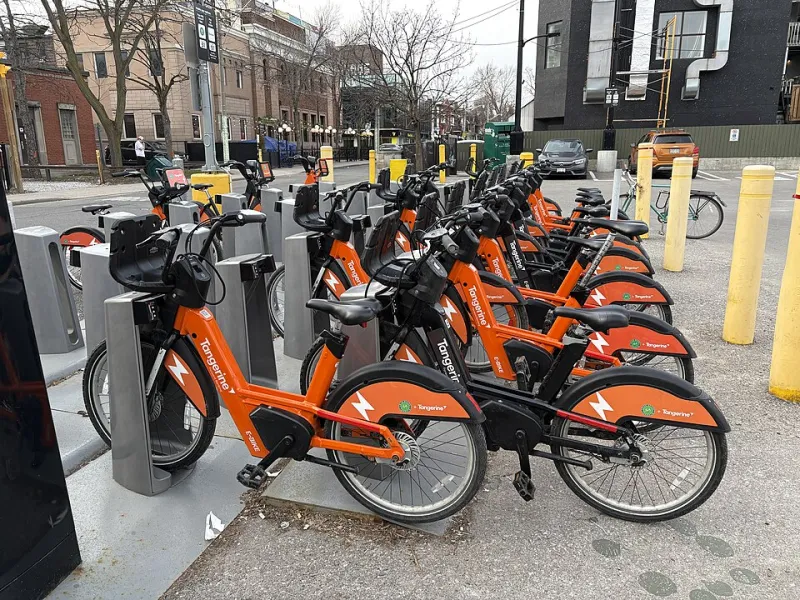
Photo: Isaacberman, CC0, via Wikimedia Commons
Picture this: you're running late, you pull up your bike-share app, and there's a bike sitting right outside your building. You grab it, ride to your destination, and leave it on the sidewalk. Simple, right? Now imagine your neighbor — two miles away in a lower-income neighborhood — opens the same app and sees nothing. No bikes. No station. Just a blank map.
That gap isn't a glitch. In many American cities, it's a feature of how the system was designed.
The docked versus dockless debate has been simmering in city planning offices and transportation advocacy groups for years. But as bike-share networks expand into more neighborhoods, the stakes are getting harder to ignore. This isn't just an argument about parking and aesthetics. It's about who the city actually serves.
What's the Difference, Really?
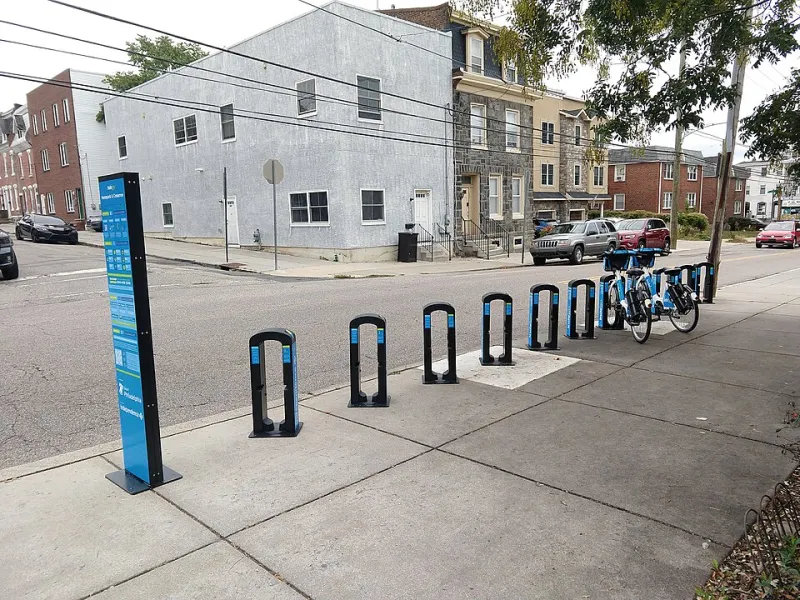
Let's back up for a second. Docked systems — think Citi Bike in New York or Divvy in Chicago — require you to pick up and return a bike at a fixed physical station. These stations are bolted to the ground, wired for power in many cases, and managed by the city or an operator under a formal contract. Dockless systems, by contrast, use GPS-enabled bikes (or e-bikes and scooters) that can be parked almost anywhere within a designated zone. You lock it to a pole, a rack, or sometimes just leave it on the sidewalk, and the app records the location.
On the surface, dockless sounds like the obvious winner. No station required, more flexibility, lower upfront infrastructure cost. But the full picture is messier than the marketing suggests.
The Hidden Costs Nobody Talks About
Building a docked network is expensive — we're talking hundreds of thousands of dollars per station when you factor in installation, electrical connections, and ongoing maintenance. That cost is real, and it's one reason cities have historically clustered stations in downtown cores and wealthier neighborhoods where foot traffic justifies the investment.
Dockless operators, meanwhile, often pitch their model as a low-burden solution for cities. No infrastructure investment required! They're not wrong, exactly. But "low burden" doesn't mean "no consequences."
Without fixed stations, dockless bikes tend to cluster where demand is highest — which, again, usually means wealthier, denser neighborhoods. Meanwhile, rebalancing fleets (moving bikes from oversaturated areas to underserved ones) is expensive and operationally chaotic. Some cities have watched dockless operators enter with fanfare, struggle to manage their fleets, and quietly exit within two years, leaving residents with nothing.
There's also the sidewalk issue. Poorly parked dockless bikes create real accessibility barriers for people using wheelchairs, walkers, or strollers. Several cities, including San Francisco and Washington D.C., have had to implement corrals — essentially designated dockless parking zones — which, ironically, start to look a lot like docking stations.
The Equity Argument Is More Complicated Than You've Heard
Here's where the debate gets genuinely complicated. Advocates for dockless systems often argue that the flexibility of the model makes it easier to serve low-density or lower-income neighborhoods that can't justify the cost of a permanent docked station. That argument has real merit.
But equity in bike-share isn't just about whether a bike exists in a neighborhood — it's about whether that bike is reliably there when someone needs it. A dockless bike that gets ridden into a wealthier area and never rebalanced back doesn't serve the community it was supposed to reach.
City planners in several metros have started pushing for hybrid approaches: docked anchor stations in high-traffic corridors combined with dockless flexibility in lower-density areas. Pittsburgh and Indianapolis have experimented with this model, using data to identify where permanent infrastructure actually makes sense and where flexible parking zones can fill the gaps.
"The honest answer is that neither model is inherently equitable," one urban transportation consultant told us. "Equity is a policy choice, not a product feature. You have to mandate it, fund it, and hold operators accountable for it."
Environmental Footprint: It's Not Just About the Bikes
Another dimension that rarely gets enough attention: the environmental cost of fleet management. Dockless e-bikes and scooters need to be charged, which typically means workers driving vans around the city at night to collect, charge, and redistribute vehicles. Depending on the fleet size and the city's layout, those rebalancing operations can generate a surprising amount of emissions — partially offsetting the environmental benefit of getting people out of cars.
Docked systems with built-in charging infrastructure are generally more efficient on this front. The bikes come to a central power source rather than the other way around. That said, the manufacturing footprint of dockless bikes — which tend to have shorter lifespans due to rougher treatment and weather exposure — is worth factoring in too.
Neither system is perfect. But cities that are serious about sustainability are starting to ask operators for lifecycle data, not just marketing claims.
What This Means for the Grid
At Grid Bike Share, we think about this a lot. Building a network that actually works for an entire city — not just the parts that are easy to serve — requires making deliberate infrastructure choices and sticking with them even when it's expensive or inconvenient.
The docked versus dockless debate isn't going away. If anything, it's intensifying as more cities revisit their mobility contracts and more operators compete for market share. The cities that get this right will be the ones that treat infrastructure decisions as equity decisions — and hold themselves and their partners accountable for the outcomes.
The cities that get it wrong? They'll keep drawing maps with blank spots in them and wondering why ridership numbers aren't growing.
Your city's bike-share system is a reflection of its values. It's worth paying attention to which side of this debate your local government is landing on — and making some noise if you don't like the answer.