From Ghost Stations to Grid-Lock Demand: How Bike-Share Roared Back From the Pandemic
Photo: PattayaPatrol, CC BY-SA 4.0, via Wikimedia Commons
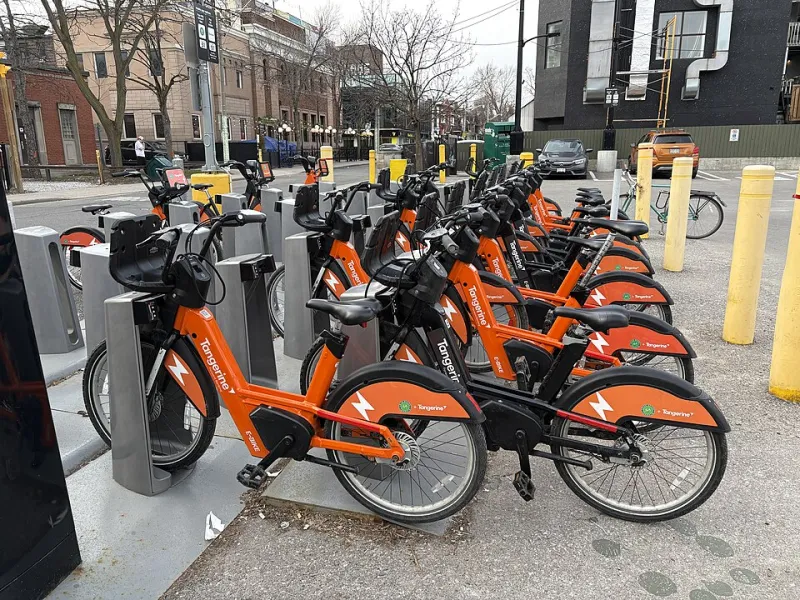
There's a specific kind of eerie quiet that settled over American downtowns in 2020. Offices emptied. Streets went silent. And those rows of brightly colored bikes sitting in their docks? Untouched, day after day, like props on an abandoned movie set.
For a lot of people, that image felt permanent. If nobody was commuting, who was going to ride?
Fast forward to today, and the story looks wildly different. Bike-share systems across the country aren't just recovering — many are operating at levels that would've seemed optimistic even before COVID hit. But the how and why behind that comeback is where things get genuinely interesting.
The Numbers Nobody Expected
Let's start with the raw data, because it's honestly kind of stunning.
Citi Bike in New York City — the country's largest bike-share system — posted its highest ridership year ever in 2023, logging over 45 million trips. Chicago's Divvy system saw similar momentum, with annual trips climbing well past pre-pandemic benchmarks. Even mid-sized systems in cities like Denver, Columbus, and Kansas City reported sustained growth rather than the slow bleed that analysts initially feared.
Not every market bounced back evenly, though. Systems heavily dependent on downtown office workers — particularly in cities where remote work stuck around longer — had a rougher road. San Francisco's Bay Wheels, for instance, took longer to find its footing as the city's tech-heavy workforce stayed home in larger numbers than almost anywhere else in the country. The lesson there is pretty clear: when your ridership model is built around 9-to-5 commuters, a permanent shift toward hybrid work is going to hurt.
But here's the thing — the cities that struggled most weren't necessarily failing. They were adapting.
Commuters, Tourists, or Something Else Entirely?
One of the most debated questions in the bike-share world right now is who's actually riding. Is this resurgence being propped up by leisure riders and tourists, or does it reflect a genuine, durable shift in how people get around?
The honest answer is: both, and that's not a bad thing.
Ridership data from multiple systems shows that weekend and recreational trips have grown as a share of total usage since the pandemic. People discovered cycling during lockdowns — for exercise, for sanity, for something to do — and a meaningful chunk of them never stopped. Bike-share operators have smartly leaned into this, expanding service near parks, waterfronts, and entertainment districts in ways they might not have prioritized before.
At the same time, the commuter base is rebuilding. Slowly in some cities, faster in others. What's changed is the type of commuter. It's less about the Monday-through-Friday, same-station-every-morning rider, and more about someone who bikes to work two or three days a week and fills in the gaps with transit or remote work on the others. That flexibility is actually a better fit for how bike-share works anyway.
Operators who've recognized this shift have started structuring their pricing and membership tiers accordingly — offering plans that don't penalize you for not riding every single day, which was a friction point for a lot of potential subscribers before.
What Operators Are Doing Differently
The bike-share industry didn't just sit around waiting for riders to come back. The pandemic forced a serious rethink of operations, and some of those changes turned out to be genuine upgrades.
E-bike expansion is probably the biggest one. The rollout of electric-assist bikes accelerated dramatically post-2020, and the impact on ridership has been significant. E-bikes lower the barrier for people who were hesitant about hills, longer distances, or showing up to work sweaty. In cities like Washington D.C. — where Capital Bikeshare has steadily grown its e-bike fleet — the data shows that e-bike availability directly correlates with longer average trip lengths and higher satisfaction scores.
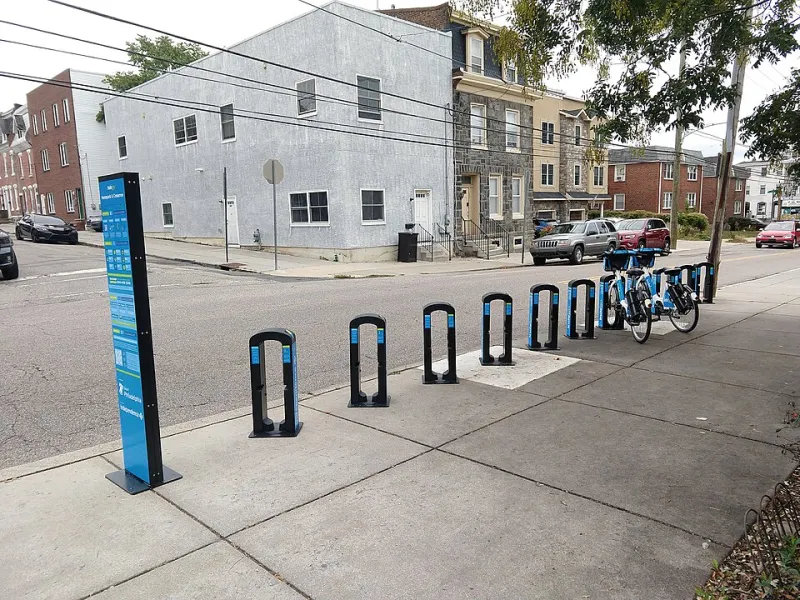
Station density and coverage also got serious attention. One of the oldest complaints about bike-share is the "last mile" problem — systems that serve downtown cores well but leave residential neighborhoods underserved. Several operators used the post-pandemic period to push into areas they'd previously neglected, particularly lower-income communities that often have the most to gain from affordable transportation alternatives. That's not just good equity policy; it's good business, because it opens up entirely new rider segments.
App improvements and integration have quietly made a big difference too. Seamless integration with transit apps, real-time dock availability, and streamlined payment options have reduced the friction that used to send potential riders back to their cars.
The Car Traffic Question
Here's the tension that looms over all of this: car traffic is back. In most American cities, vehicle congestion has returned to or exceeded pre-pandemic levels, which creates both a challenge and an opportunity for bike-share.
The challenge is obvious — more cars mean more perceived danger for cyclists, which keeps some riders on the sidelines. This is where infrastructure investment becomes critical. Cities that used the pandemic window to install protected bike lanes, expand cycling networks, and redesign intersections are seeing the payoff now. Portland, Seattle, and Minneapolis — all cities with strong cycling infrastructure commitments — have held onto their ridership gains more effectively than cities where bikes are still fighting for space with traffic.
The opportunity is equally obvious. Gridlock is miserable. A 20-minute bike ride that would take 45 minutes by car in rush-hour traffic is a compelling pitch, and operators are leaning into it hard with marketing that meets commuters exactly where their frustration lives.
Is This the New Normal?
The optimistic read — and we'll be honest, it's the one we're inclined toward — is that the pandemic reshuffled urban transportation habits in ways that favor bike-share for the long haul. People who never would have considered cycling as a serious option tried it out of necessity, discovered it worked, and kept going.
The cautious read is that some of this growth is fragile, tied to novelty, tourism rebounds, and the particular economic moment we're in. A serious recession, a harsh winter, or a string of high-profile safety incidents could dent ridership in ways that are hard to recover from.
What seems clear is that the systems best positioned for sustained growth aren't the ones that got lucky with geography or demographics. They're the ones that used the pandemic disruption as a forcing function — rethinking who they serve, how they price access, where they put stations, and what kind of bikes they deploy.
The ghost stations are gone. The question now is how far this grid can actually grow — and which cities are serious enough about sustainable urban mobility to help it get there.