The Commuter Chic Effect: Bike-Share Is Quietly Redressing the American Workplace
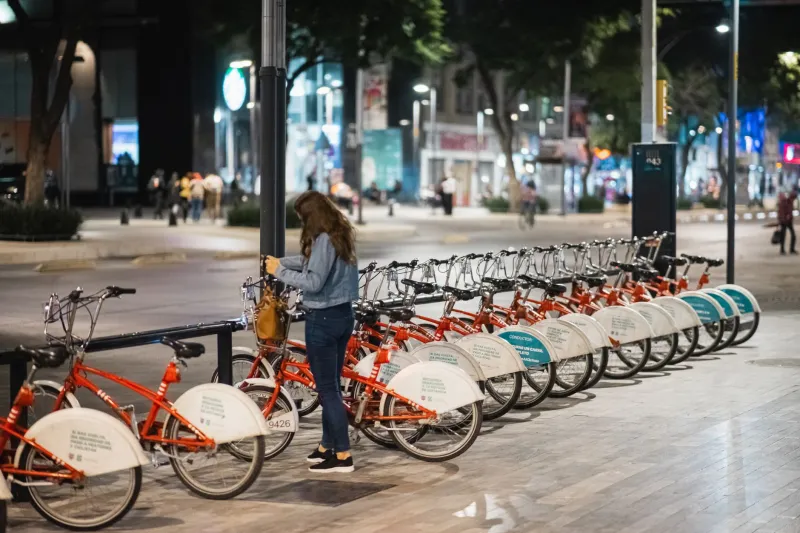
Ask anyone who started bike-sharing to work in the last five years, and they'll tell you the same thing: the wardrobe changed first.
Not the bike. Not the route. The clothes.
It's a quiet revolution playing out in office lobbies from Austin to Minneapolis. Somewhere between the docking station and the elevator, a new dress code was born — one that pairs performance fabrics with pencil skirts, and treats a good pair of merino socks like a legitimate business investment.
The Death of the Dry-Clean-Only Dress
For decades, professional attire in America was built around one assumption: you'd be sitting in a climate-controlled vehicle for the entire trip to work. Bike-share blew that assumption up.
"I used to keep a blazer in my desk drawer like a fire extinguisher," says Dana Whitfield, 34, a project manager in Washington, D.C., who swapped her Metro commute for a Capital Bikeshare ride two years ago. "Now everything I own can survive a six-minute pedal up a hill. If it wrinkles, it doesn't get bought."
Retailers noticed. Outdoor brands that once marketed exclusively to hikers and campers now sell travel-friendly trousers and odor-resistant button-downs to a customer base they barely knew existed: the urban bike commuter who wants to look presentable in a 10 a.m. meeting.
The numbers back it up. Industry analysts point to steady growth in what's being called "versatile workwear" — clothing engineered to handle movement, moisture, and a full day at a desk without a wardrobe change. Think stretch wool chinos. Anti-microbial tees that pass for business casual. Shoes that clip into pedals but don't scream "cyclist" in a conference room.
The Shower Policy Is the New 401(k)
Here's the thing nobody tells you about riding to work: what you wear matters less than what happens when you arrive.
That's why a surprising number of job seekers now ask about shower access the way their parents asked about health insurance. In competitive labor markets, employers have caught on. Tech offices led the charge, naturally, but law firms, hospitals, and municipal governments are increasingly building bike rooms, lockers, and changing facilities into their office plans — sometimes as part of LEED certifications, sometimes just to stop losing candidates to companies that have them.
"We had a candidate ask about our end-of-trip facilities in the second interview," says a facilities director at a Chicago financial firm who asked not to be named. "Five years ago that question didn't exist. Now we get it weekly."
For workers at companies without showers, the workarounds have become their own subculture: gym memberships used solely for the locker room, baby-wipe commutes, and the strategic placement of a stick of deodorant in every bag you own.
What 'Commuter Chic' Actually Looks Like
Spend a morning at a busy bike-share station and you'll spot the uniform taking shape:
- The layering system. A breathable base layer under a presentable overshirt that peels off before the ride home.
- The one-bag life. Backpacks with garment straps, because nobody wants to iron at 8:45 a.m.
- The hybrid shoe. Sleek enough for the office, grippy enough for a wet pedal.
- The mercy blazer. Kept at the office, deployed only for client meetings.
It's fashion born of function, but there's a cultural current underneath it. Bike-share commuting has made visible a group of workers who used to disappear into parking garages. When your commute is on the street, your clothes become part of the city's fabric — and increasingly, that fabric is designed to move.
Dressing for the Ride, Not the Parking Spot
There's something fitting about all of this. Bike-share was supposed to change how we get to work. Instead, it's changing what work looks like when we get there.
Fashion has always followed infrastructure — hemlines rose with the automobile, shoulder pads grew with the corporate ladder. Maybe it's no surprise that as American cities build more protected lanes and denser dock networks, the clothes are loosening up, toughening up, and learning to sweat.
So the next time you see someone roll up to the office in technical fabric and a confident stride, don't call it a fashion statement. Call it what it is: a commute you can wear.
And if your office still doesn't have a shower? Forward them this article. Consider it your formal wear request.