Bare Heads, Busy Streets: The Helmet Question Nobody in Bike-Share Wants to Settle
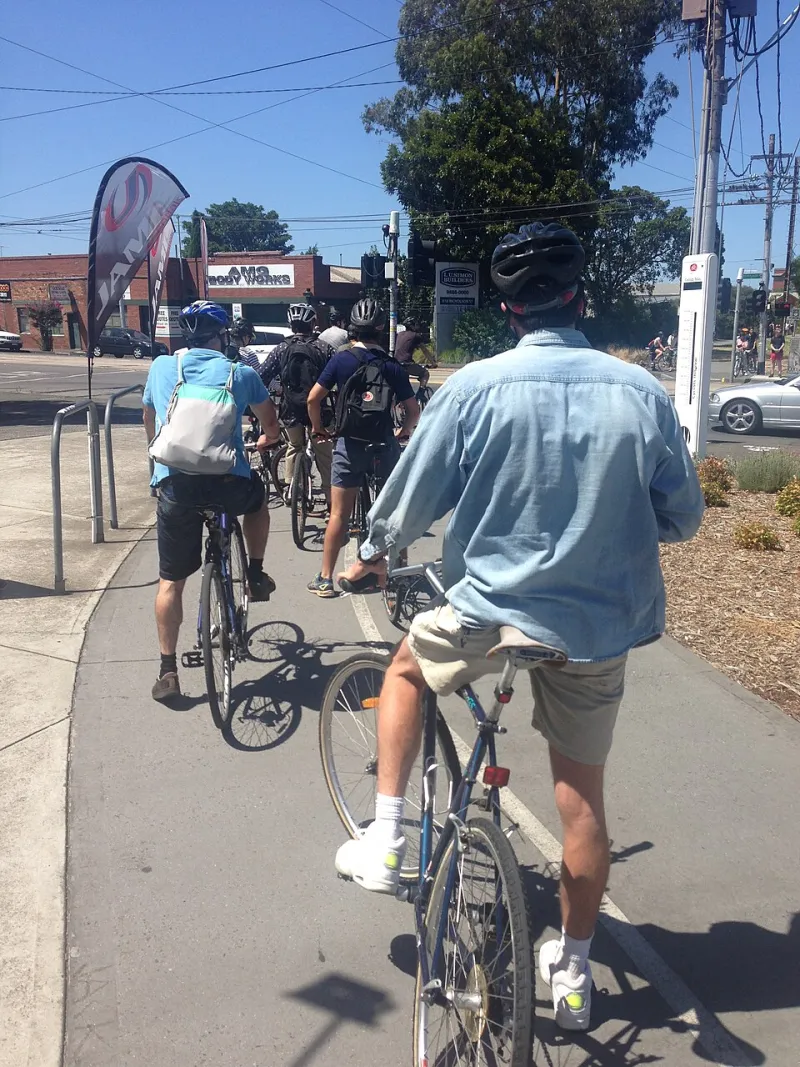
Photo: Philip Mallis from Melbourne, CC BY-SA 2.0, via Wikimedia Commons
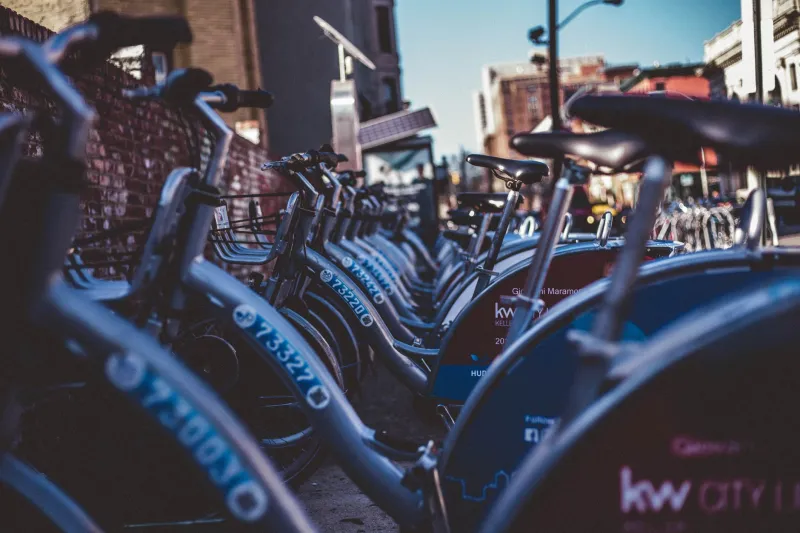
Watch a bike-share dock for fifteen minutes in almost any American city and count the helmets. You won't need many fingers. Study after study puts helmet use among shared-bike riders in the single digits to low teens — dramatically lower than among private bike owners. And yet bike-share keeps expanding, cities keep subsidizing it, and public health officials keep, mostly, not panicking.
This contradiction deserves a more honest conversation than it usually gets.
What the Data Actually Says
Here's the uncomfortable nuance: cycling injuries in cities are overwhelmingly a function of exposure to motor vehicles, not of whether your head was covered. The riders most likely to be seriously hurt are those sharing lanes with fast, heavy traffic. The riders most likely to wear helmets are experienced, confident cyclists who ride in that traffic regularly — and even among them, helmets reduce skull fractures more than they prevent the multi-trauma collisions that cause the worst outcomes.
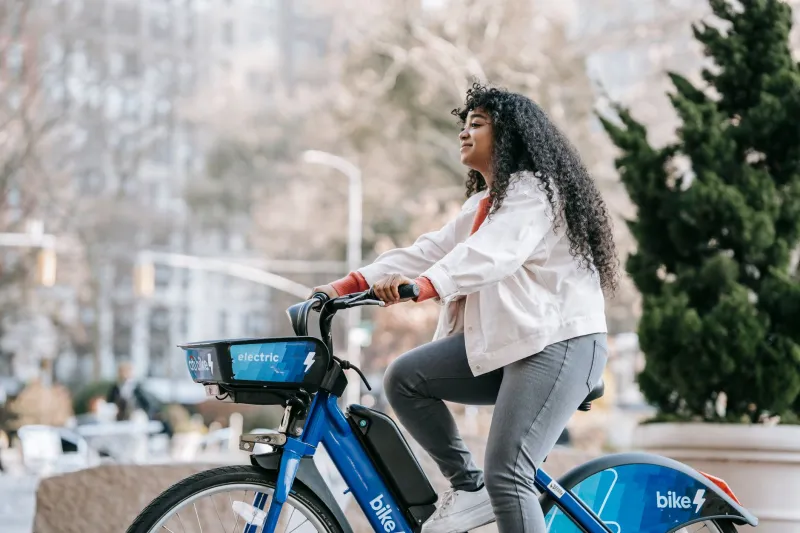
Meanwhile, bike-share riders skew toward shorter, slower trips, often in denser areas with calmer traffic, often by people making spontaneous choices. The population-level injury rates for bike-share have consistently been modest — and some research suggests that the health benefits of the added activity vastly outweigh the injury costs, helmet or no helmet.
None of this means helmets are useless. They meaningfully reduce head injury severity in a crash. It means the helmet question is the wrong hill to die on if the goal is fewer injured riders.
The Spontaneity Problem
The reason helmet use is so low on shared bikes isn't ignorance or recklessness. It's structure. You carry a helmet when you own the bike; you don't carry one when you decide at 5:40 PM to grab a bike instead of the bus. Bike-share's entire value proposition is spontaneity — and helmets are the natural enemy of spontaneity.
That's why mandatory helmet laws, wherever they've been tried for bike-share, have been a disaster. Cities that required head coverage saw ridership crater, which meant fewer people cycling, which meant worse health outcomes and less safety in numbers. Australia's experience looms large here: strict all-ages helmet laws and a bike-share market that never took off.
Three Interventions, Honestly Ranked
So what should cities actually do? Ranked by expected impact:
1. Build protected lanes. The single most effective helmet is infrastructure. Cities that have invested in physically separated bike networks have seen injury rates fall even as ridership soared. Every dollar spent on a protected lane does more for rider safety than a thousand helmet campaigns.
2. Make helmets frictionless where people want them. Helmet-sharing vending — dispensers at major stations, returnable and sanitized — has been piloted in a handful of US cities and abroad with promising uptake. It won't reach double-digit adoption network-wide, but for commuters on predictable routes, it's a genuine option. Subsidize it, don't mandate it.
3. Educate without shaming. Public health messaging that treats unhelmeted riders as the problem misreads the data and alienates the very people bike-share exists to serve. Messaging about visibility, predictable riding, and route choice reaches more people honestly.
Where This Leaves Us
Wear a helmet if you have one. Truly — if it's hanging by your door, put it on. But cities shouldn't build safety policy around the assumption that everyone will, because they won't, and the evidence says the bigger levers are elsewhere.
The helmet question is really a question about what kind of city we want: one where riding requires armor and vigilance, or one where a bike is simply a normal, safe way to move. Every protected lane built moves us toward the second answer. That's the intervention worth arguing about.