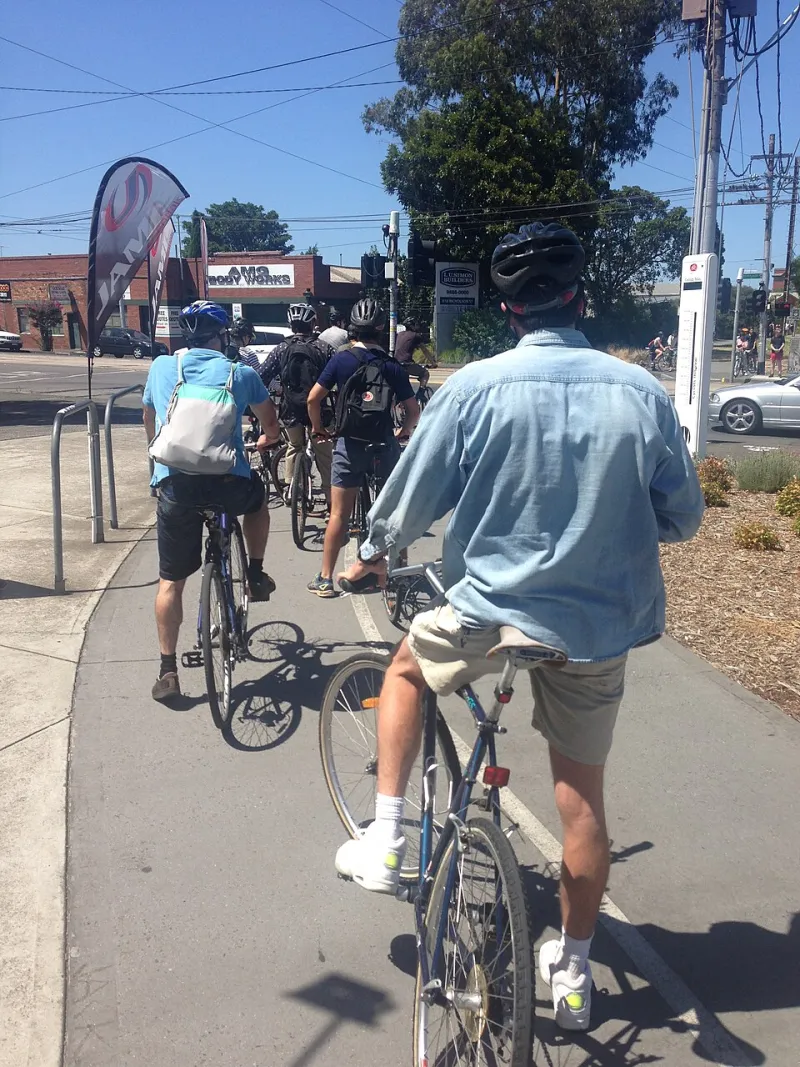
Where the App Goes Dark: The Municpal Maze That Strands Riders at the City Line
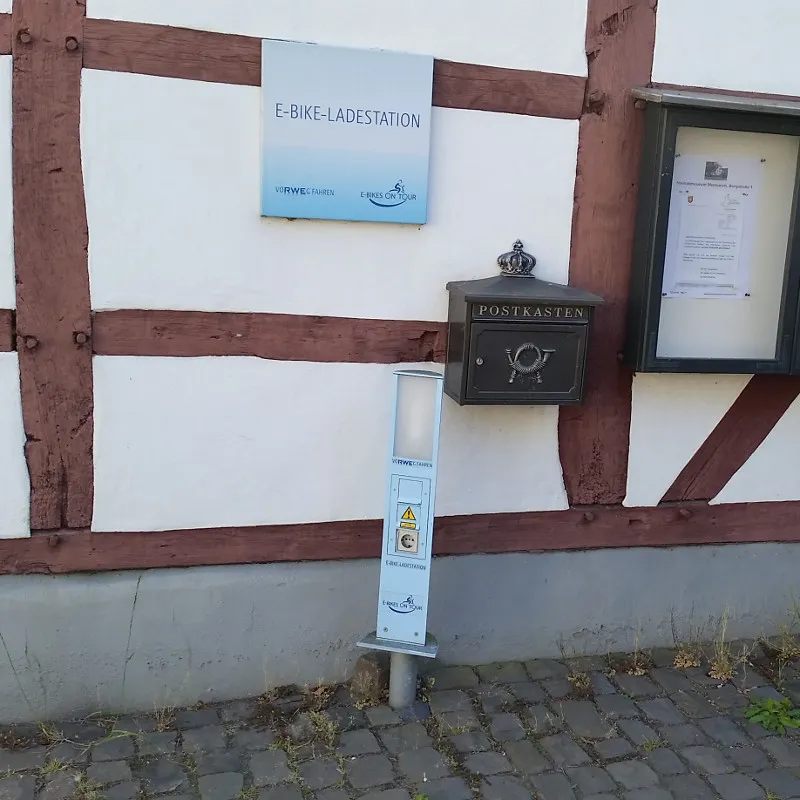
Photo: Sascha Radke 70, CC BY-SA 4.0, via Wikimedia Commons
Stand at certain boundaries in American metro areas — the line between St. Louis and University City, the edge of Cambridge against greater Boston, the river separating Minneapolis from its first-ring suburbs — and something strange happens. The bike-share app that worked flawlessly for ten miles suddenly shows nothing. No stations. No bikes. Just a blank map and, often, a notification that you've left the service area.
You didn't leave the city. You left the contract.
A Patchwork Built One Signature at a Time
Bike-share in the United States isn't a network. It's an archipelago of independent municipal deals, each negotiated separately between an operator — or several — and an individual city, town, or university. A suburban municipality signs its own contract, with its own pricing, its own vendor, sometimes its own fleet that can't physically dock in the neighboring system.
The result is a map that looks like a reasonable transit network from orbit and a checkerboard at street level. A rider in the urban core can pedal twenty minutes in any direction, but the moment they cross into a suburb that signed with a different vendor — or signed with no one — their options collapse.
The consequences aren't abstract. Workers who live just past the service line can't use bike-share for the last mile to a job. Students at suburban campuses juggle two apps and two memberships. And the suburbs themselves, starved of connection, see fewer visitors arriving car-free, which quietly reinforces car dependence for everyone.
What Interoperability Actually Requires
Fixing this is less about technology than politics. The technical pieces are well understood: shared docking hardware or common virtual geofences, a unified payment layer, and data standards so one app can display another system's inventory. The harder work is the deal-making.
Regional coordination requires somebody — a transit agency, a county government, a council of governments — to broker cost-sharing among municipalities that have very different tax bases and very different appetites for spending on bikes. It requires operators to accept lower per-city margins in exchange for network scale. And it requires each town to surrender a bit of local control over branding and pricing.
The Metro Areas Cracking the Code
It's not hypothetical. A handful of American regions are proving the model works.
The Twin Cities have long operated on a regional framework, with service extending across municipal boundaries into St. Paul and inner suburbs under coordinated planning — proof that metro-scale thinking is feasible in a fragmented state.
The Boston area has moved toward consolidation, folding suburban systems into a more unified footprint so a rider can travel from Cambridge outward without hitting a dead zone.
The Bay Area, famously a mosaic of dozens of jurisdictions, has seen partial integration around the regional transit agency's efforts to align operators — imperfect, but directionally right.
And in Portland and Seattle, dockless operators with broad regional permits have effectively delivered interoperability by market means: one app, one payment, spanning city and suburb alike, with the caveat that coverage follows profit rather than equity.
Why the Borders Should Bother All of Us
There's a fairness argument here that goes beyond convenience. Service boundaries drawn around municipal contracts tend to mirror older lines of disinvestment — the suburbs that never got the regional bus route, the neighborhoods where the line just stops. Every rider stranded at a border is a reminder that mobility infrastructure built deal-by-deal inherits the inequities of deal-making.
The fix isn't glamorous: regional planning bodies with real authority, standardized data requirements written into every new contract, and state-level grants that reward counties for consolidating rather than fragmenting. A few states are already attaching federal transportation dollars to exactly those conditions.
The bike-share app dying at the city line isn't a software bug. It's a policy choice — one a growing number of regions are choosing to unmake. Until they all do, check the map before you cross the bridge.