From Platform to Pedals: The Transit Gap Bike-Share Finally Fixed
There's a particular kind of frustration known to every transit rider in America: you can see your office from the L station, but it's a 25-minute walk. The train was fast. The walk is the problem.
Transit planners have a name for this — the last mile problem — and for decades it's been the stubborn knot at the center of American public transportation. Trains and buses move people brilliantly along corridors, but they can't deliver anyone to their actual doorstep. So riders who live too far from a station simply don't ride.
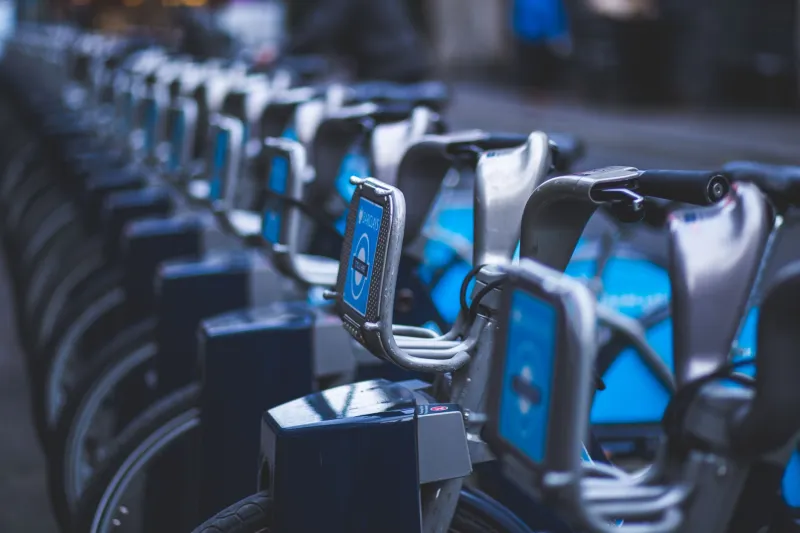
Then something changed. Not with a new rail line or a billion-dollar extension, but with rows of bikes quietly appearing next to station entrances.
The Gap That Ate Ridership
The math of the last mile is brutal. Research has consistently shown that most people will walk about a quarter mile to a bus stop and maybe half a mile to rail. Beyond that, the car wins. Which means a huge share of any metro area — everyone living a mile, two miles, five miles from a station — is effectively cut off from transit.
Bike-share stretches that walkable radius by a factor of four or more. A ten-minute walk becomes a two-minute ride. Suddenly, the catchment area around a station doesn't end at the sidewalk; it extends for miles in every direction.
Real Rides, Real Cities
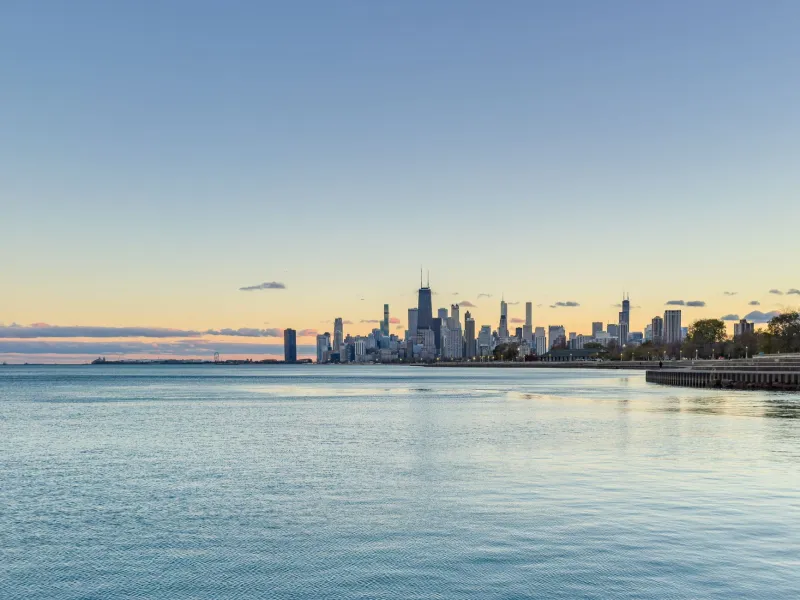
Take Marcus, a project manager in Chicago's Logan Square. His commute used to be a bus, a train, and a prayer. Now he grabs a Divvy bike two blocks from his apartment, rides it straight to the Western Blue Line station, docks it, and taps onto the train. "The bike leg is eleven minutes," he says. "The bus I used to take could take thirty-five depending on traffic. I stopped even thinking about it."
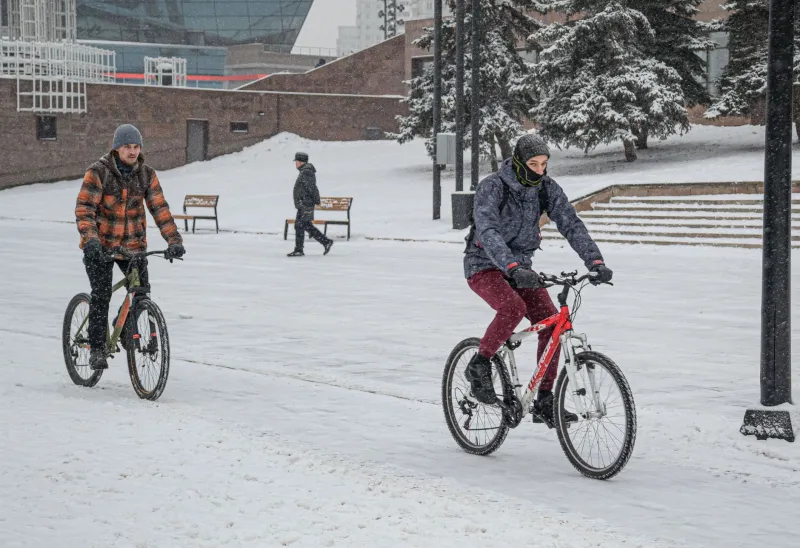
In Washington, DC, the Metro-plus-CaBi combination has become almost a default commute for riders in neighborhoods like Columbia Heights and NoMa, where dock density near stations is among the highest in the country. And in Minneapolis, where the Nice Ride network has long coordinated its stations with the METRO Blue and Green lines, winter-hardened riders treat the bike leg as simply part of the trip — gloves, helmet, light rail, done.
Planners Are Paying Attention
What's changed isn't just rider behavior — it's how transit agencies think. The old model treated bike-share as a separate service, run by a different nonprofit or vendor, with different maps, different fares, different everything.
The new model is integration. Cities are experimenting with unified payment systems where one transit card or app unlocks both the train and the bike. Some agencies subsidize bike-share memberships the same way they subsidize bus passes. Station placement data — where docks actually get used relative to rail entrances — is now feeding directly into how cities plan both networks.
The results show up in the numbers. Stations placed within a block of heavy rail entrances consistently outperform the system average. And in cities that have synced fares, combined pass-holders ride transit more, not less — the bike isn't competing with the train, it's feeding it.
What Still Needs Fixing
None of this is finished. Dock placement in lower-income neighborhoods still lags behind demand in many systems. Unified payment exists in pockets, not everywhere. And winter cities need better equipment and cleared lanes to make the rail-plus-bike combo a twelve-month option.
But the direction is unmistakable. The last mile problem that planners have chased for half a century is being solved not by one big project, but by thousands of small rides — each one covering exactly the distance a train can't.
The gap between the platform and the front door isn't gone. But for the first time, it's a gap you can pedal across.