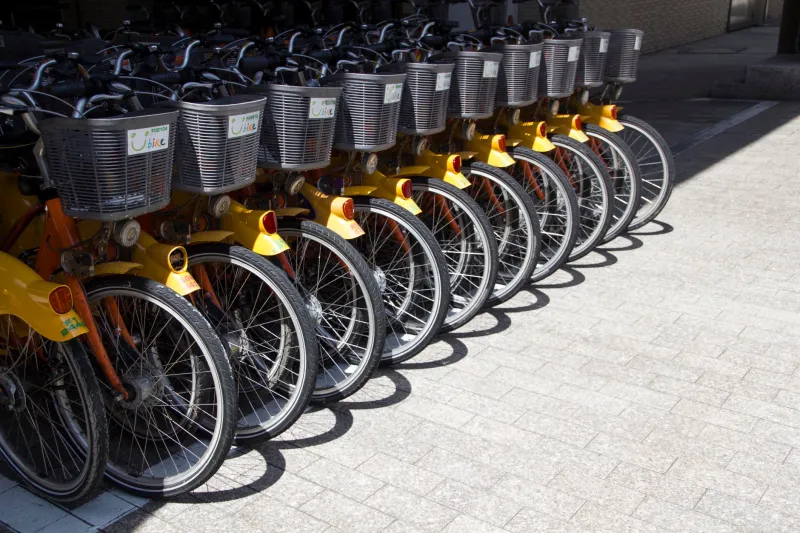
Skip the Bus, Grab Handlebars: Why the Best City Tour Runs on Two Wheels
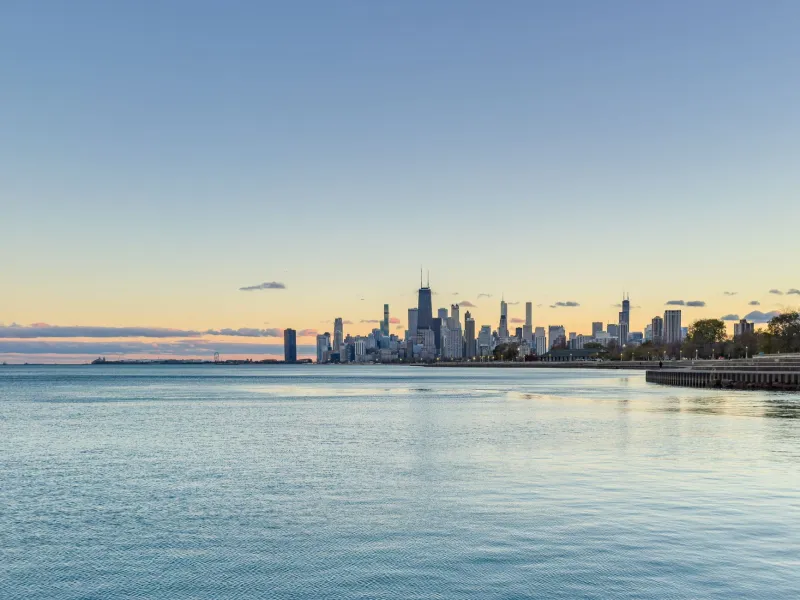
There's a moment every bike-share tourist knows. You're rolling down a lakefront path or a quiet side street, wind in your face, when you realize you just passed something the tour bus never would have slowed down for — a mural, a taco stand, a pocket park buzzing with locals. That's the moment the city stops being a destination and starts being a place.
Across the country, travelers are figuring out that a $10 day pass beats a $60 bus ticket. And tourism boards, once skeptical, are starting to agree.
The Tour Bus Problem
Let's be honest about what a hop-on-hop-off tour actually delivers: a sealed, air-conditioned view of a city through glass, punctuated by stops clustered around the same three attractions. You see the skyline. You don't meet the neighborhood.
Bike-share flips that equation. At 10 to 12 miles per hour, you're fast enough to cover real ground but slow enough to notice the bakery on the corner, the jazz leaking out of a bar at 2 p.m., the way the light hits the river at golden hour. You're also, crucially, outside — smelling the street food, hearing the language of the city.
"Visitors who ride tell us they feel like they got the real Austin," says one downtown bike-share ambassador we spoke with. "They'll dock at a station near the trail, end up at a taqueria in East Austin, and that becomes the highlight of their trip."
Where the Wheels Are Winning
Some American cities are practically built for this.
Chicago might be the gold standard. The Lakefront Trail runs 18 miles along Lake Michigan, and a Divvy pass turns it into the greatest sightseeing value in the Midwest — Millennium Park, Navy Pier, Museum Campus, and the beaches, all strung together on one flat, gorgeous ribbon of pavement.
Washington, D.C. made bike-share a tourist amenity years ago. Capital Bikeshare stations ring the National Mall, meaning you can hit the monuments without the death march between the Lincoln Memorial and the Capitol.
Austin rewards the curious rider. The Ann and Roy Butler Trail loops Lady Bird Lake past skyline views and turtles sunning themselves, but the real magic is detouring into East or South Austin, where the neighborhoods are the attraction.
New York and its Citi Bike network turns a ride across the Brooklyn Bridge into something you'll remember longer than any Broadway show.
The Practical Stuff (Read This Before You Ride)
Bike-share tourism is easy, but a little prep goes a long way:
- Download the app before you land. Every major system — Divvy, Citi Bike, Capital Bikeshare, Metro Bike Share — runs through a smartphone app. Buy your pass at the airport, not on a sidewalk with luggage in hand.
- Understand the pass math. Most systems sell a day pass that unlocks unlimited rides under 30–45 minutes. If your ride runs long, you'll pay overage fees — so plan to dock and re-dock on longer outings.
- Check where you can dock. Dockless systems let you park anywhere legal; docked systems require a station. A quick glance at the station map saves you a frustrating ten-minute hunt.
- Ride like a local, park like one too. Never leave a bike blocking a sidewalk. In most cities, it's not just rude — it's a fee.
Safety Without the Panic
Riding in an unfamiliar city is the part that spooks people, and it shouldn't. A few habits cover 90% of it:
- Ride with traffic, never against it, and stay off sidewalks — it's the law in most US cities and genuinely more dangerous anyway.
- Use the paths first. Nearly every big American city has invested in protected bike lanes and off-street trails in the last decade. Chicago's lakefront, D.C.'s trail network, Austin's Butler Trail — start there and expand your comfort zone gradually.
- Take the lane when you need to. If a street feels too tight, you're legally allowed to occupy a full lane in most states. Own it.
- Wear the helmet you brought. Or don't stress — but if you're a helmet person, pack one. It weighs less than your souvenirs.
What the Tourism Boards Have Figured Out
Here's the quiet shift: cities have stopped treating bike-share as commuter infrastructure and started marketing it as a visitor experience. Austin's tourism office now points convention-goers to the trail system. Chicago's travel guides routinely feature Divvy in their itineraries. When a city hands you a map, look for the green lines — that's the tour they actually want you to take.
There's something deeper happening, too. Visitors who ride a city's bike-share aren't just seeing more — they're participating. They're docking a bike at the same station a nurse uses on her shift change. They're spending money at the taqueria instead of the food court. That's the difference between visiting a place and passing through it.
So next trip, skip the bus. The city is better at handlebar height — and it's been waiting for you to notice.
Before you ride, check your destination city's bike-share site for current pass pricing, parking rules, and local helmet laws — they vary more than you'd think.